The short answer is that most reputable cosmetic clinics in New Zealand, including Silk, decline to perform anti-wrinkle injections on patients who are breastfeeding. The longer answer involves the limitations of the available clinical evidence, the cautious clinical position taken by Medsafe and the manufacturers, and the practical implications for new mothers thinking about treatment.
I am Shontelle, the registered nurse at Silk Clinical Aesthetics. Here is what the position is and why it is what it is.
What the Evidence Actually Says
Botulinum toxin type A, the active ingredient in Botox and Dysport, is a large molecule. The clinical position taken by manufacturers and regulators is based on the principle that there is insufficient evidence of safety in pregnancy and breastfeeding rather than evidence of harm.
The pharmacological reasoning is partly reassuring. The toxin acts at the local injection site, with minimal systemic distribution at typical cosmetic doses. The molecule is large and is not expected to cross significantly into breast milk. There are no documented cases of harm to a breastfed infant from a mother receiving cosmetic anti-wrinkle injections.
The clinical caution is not based on evidence of harm. It is based on the absence of a clinical evidence base that meets the standard required to recommend treatment in this population. The studies needed to establish safety in pregnancy and breastfeeding are difficult to perform ethically, so the data remains limited.
Medsafe-approved product information for both Botox and Dysport in New Zealand recommends against use in pregnancy and breastfeeding for this reason.
Why Most New Zealand Clinics Decline
Reputable practitioners follow the manufacturer and regulator guidance, which is the cautious position. A few additional reasons:
Professional liability and standards. Treating patients in groups where the clinical evidence is uncertain increases the regulatory and professional risk for the practitioner.
Informed consent. Even if a patient is comfortable with the theoretical risk, obtaining genuine informed consent for a treatment with limited evidence in this population is more complicated than for the general population.
Symbolic caution. Aesthetic medicine is an elective field. Treatments that are not clinically necessary are easier to defer than treatments where the patient's health depends on them. The cost of waiting six to twelve months to start or resume treatment is low.
Patient population norms. Most considered clinics decline, which means the expectation in the field is that you wait. A clinic that treats during breastfeeding is operating outside the prevailing practice rather than within it.
What "Breastfeeding" Means in this Context
The position applies to any breastfeeding, not just exclusive breastfeeding in the first weeks. Most clinics, including ours, decline treatment for as long as the patient is actively breastfeeding the child.
A reasonable working position:
- Decline during exclusive breastfeeding.
- Decline during partial breastfeeding while the child is still receiving breast milk regularly.
- Resume after weaning.
There is no precise interval after the last feed at which treatment becomes appropriate. We typically wait until breastfeeding has fully concluded, then proceed as for any other patient.
What about Filler?
The position on dermal filler in pregnancy and breastfeeding is similar. Most reputable clinics decline. The reasoning is the same: limited clinical evidence base in this population, manufacturer guidance against use, and the elective nature of the treatment.
This applies to hyaluronic acid filler, skin boosters, polynucleotides, and PDO threads. The default answer for any injectable cosmetic treatment during breastfeeding is no.
What Treatments Are Reasonable?
Several treatments are generally considered acceptable during breastfeeding. The clinical position varies between practitioners and clinics; the following is the general framework, not a guarantee.
Topical skincare. Most cosmetic skincare ingredients are safe in breastfeeding. Specific exceptions include high-strength retinoids and certain prescription topicals, which should be paused or substituted. SPF, hyaluronic acid, vitamin C, and most antioxidants are generally considered fine.
Skin peels. Lower-strength peels with ingredients well established in pregnancy and breastfeeding (such as glycolic acid in moderate concentrations) are sometimes performed. Salicylic acid and stronger peels are usually deferred.
Microdermabrasion and similar surface treatments. Generally acceptable.
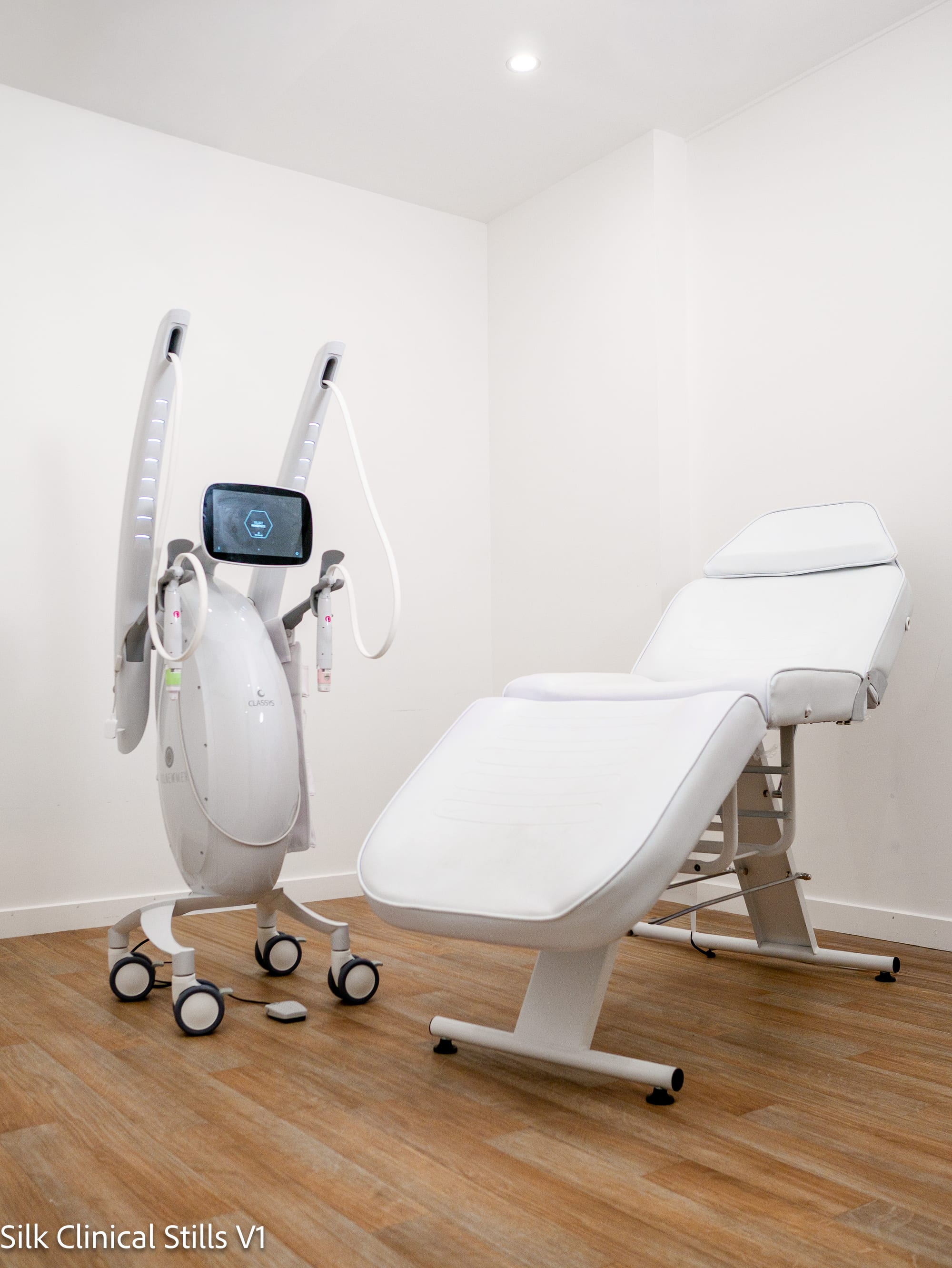
Some energy-based treatments. RF skin tightening (such as Volnewmer) and HIFU (such as Ultraformer MPT) are not contraindicated by manufacturer guidance for breastfeeding patients in the same way as injectables. The clinical position varies between practitioners; many defer these treatments out of caution, while others will proceed after a careful assessment. We discuss this case by case.
LED light therapy and similar low-intensity treatments. Generally acceptable.
The principle behind these distinctions is that treatments without active substances entering the body are less constrained by the limits of the clinical evidence base than treatments involving products injected into tissue.
Practical Considerations for New Mothers
Patients in the first year postpartum often want to address several concerns: skin quality changes, melasma (pregnancy-related pigmentation), abdominal skin laxity, and general fatigue-related appearance changes.
A reasonable approach during breastfeeding:
- Focus on topical skincare and SPF, particularly for melasma management.
- Consider energy-based treatments if appropriate after individual assessment.
- Defer all injectables until breastfeeding has concluded.
- Use the postpartum period to address foundational skin work that supports later injectable treatments.
The patients who do well in the longer term are usually the ones who used the breastfeeding window for skin quality work, then moved into injectables once breastfeeding concluded.
For broader detail on what skin booster treatments offer in the longer term, see Skin Boosters Explained: Sunekos, Profhilo, and Polynucleotides.
What Silk Will and Will Not Do During Breastfeeding
We will not perform anti-wrinkle injections, dermal filler of any type, skin boosters, polynucleotides, or PDO threads on breastfeeding patients. This applies regardless of how long ago the birth was, as long as breastfeeding is ongoing.
We will perform consultations during breastfeeding and discuss treatments that you might want to plan for once you have weaned.
We will perform topical skin treatments on a case-by-case basis after individual assessment.
We will discuss energy-based treatments with you and decide together whether to proceed during breastfeeding or defer.
For more on the patients and treatments we decline, see What We Will Not Treat: When Silk Says No.
When To Resume Treatment
Once breastfeeding has concluded, normal treatment can resume immediately. There is no required waiting period after the last feed before injectables become appropriate.
For patients planning a return to anti-wrinkle treatment, the first appointment after breastfeeding ends is treated as a fresh consultation. If you have had treatment before, we will review your previous plan and adjust if appropriate. Muscle response can vary slightly after pregnancy and breastfeeding, so dosing is sometimes refined in the first one or two appointments after returning.
Frequently Asked Questions
Has there ever been a documented case of harm from Botox during breastfeeding?
Not in the published clinical literature, to our knowledge. The cautious clinical position is based on absence of evidence of safety rather than evidence of harm. This distinction matters for understanding the position, but does not change the practical answer.
Can I have Botox if I am stopping breastfeeding next week?
We typically wait until breastfeeding has fully concluded, not the week before. This is more about consistency and clear consent than a precise pharmacological window. The cost of waiting an extra week is low.
Is the position the same in other countries?
Most countries with comparable regulatory frameworks (Australia, UK, US, EU) take a similar position. Manufacturer information, regulatory guidance, and prevailing clinical practice all default to declining cosmetic injectables during breastfeeding. Some clinics in some jurisdictions take a less conservative position; we do not, and we are in the majority.
Can I have Botox if I am pumping and not directly feeding?
The position applies to breast milk feeding regardless of whether it is direct or via expressed milk. The practical answer is the same.
What about a single treatment in the first few weeks postpartum, before milk supply is established?
We do not treat in this window for the same reasons we do not treat during breastfeeding generally. The early postpartum period also involves significant hormonal change, fluid shifts, and recovery, which makes assessment less reliable. We recommend deferring.
Can I plan a treatment schedule around future pregnancy?
Yes, and we are happy to discuss this in consultation. Anti-wrinkle injections last three to four months and filler can last 12 months or more. A reasonable approach for patients planning pregnancy is to time the last treatment to wear off well before conception, then resume after breastfeeding concludes.
Filed underBotox breastfeedinganti-wrinkle pregnancycosmetic injectables NZpatient safety