As a registered nurse working in cosmetic aesthetics, I speak with patients every week who are trying to decide between a non-surgical HIFU treatment and a traditional surgical facelift. It is one of the most important decisions in aesthetic medicine, and it deserves a thorough, honest comparison.
At Silk Clinical Aesthetics in Christchurch, we use the Ultraformer MPT for our HIFU treatments. While I am a strong advocate for non-surgical options, I also believe in setting realistic expectations. Not every patient is a candidate for HIFU, and not every patient needs surgery. The right choice depends entirely on your individual anatomy, goals, and circumstances.
What is HIFU and How Does It Work?
HIFU stands for High-Intensity Focused Ultrasound. The technology delivers focused ultrasound energy to precise depths beneath the skin, creating tiny points of thermal coagulation called thermal coagulation points (TCPs). These micro-injuries trigger the body's natural healing response, stimulating new collagen production and tissue remodelling.
What makes HIFU unique among non-surgical treatments is its ability to reach the SMAS layer, the superficial musculoaponeurotic system. This is the same deep tissue layer that surgeons manipulate during a traditional facelift. No other non-surgical technology can consistently target this depth, which is why HIFU produces lifting results that surface-level treatments simply cannot match.
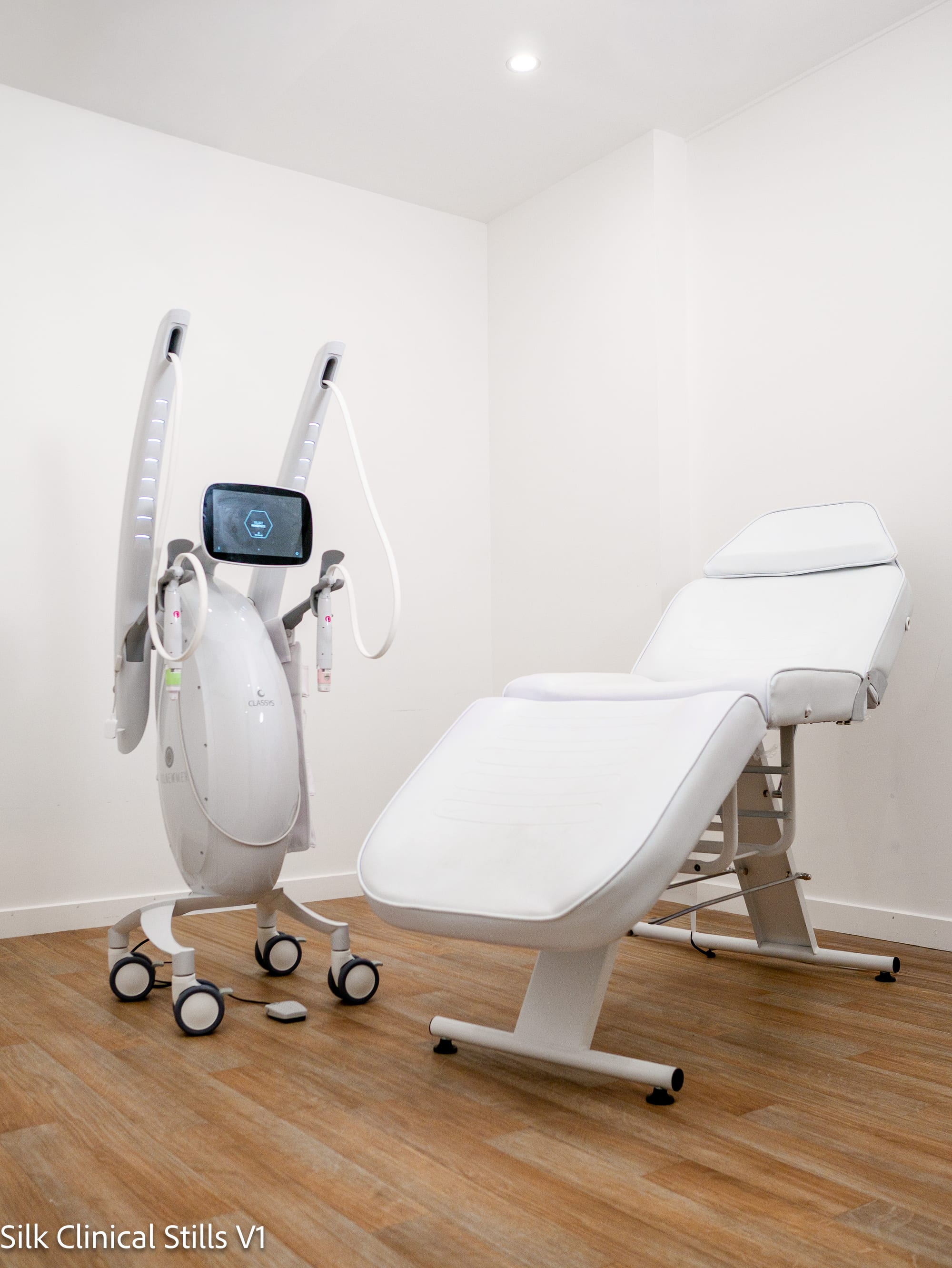
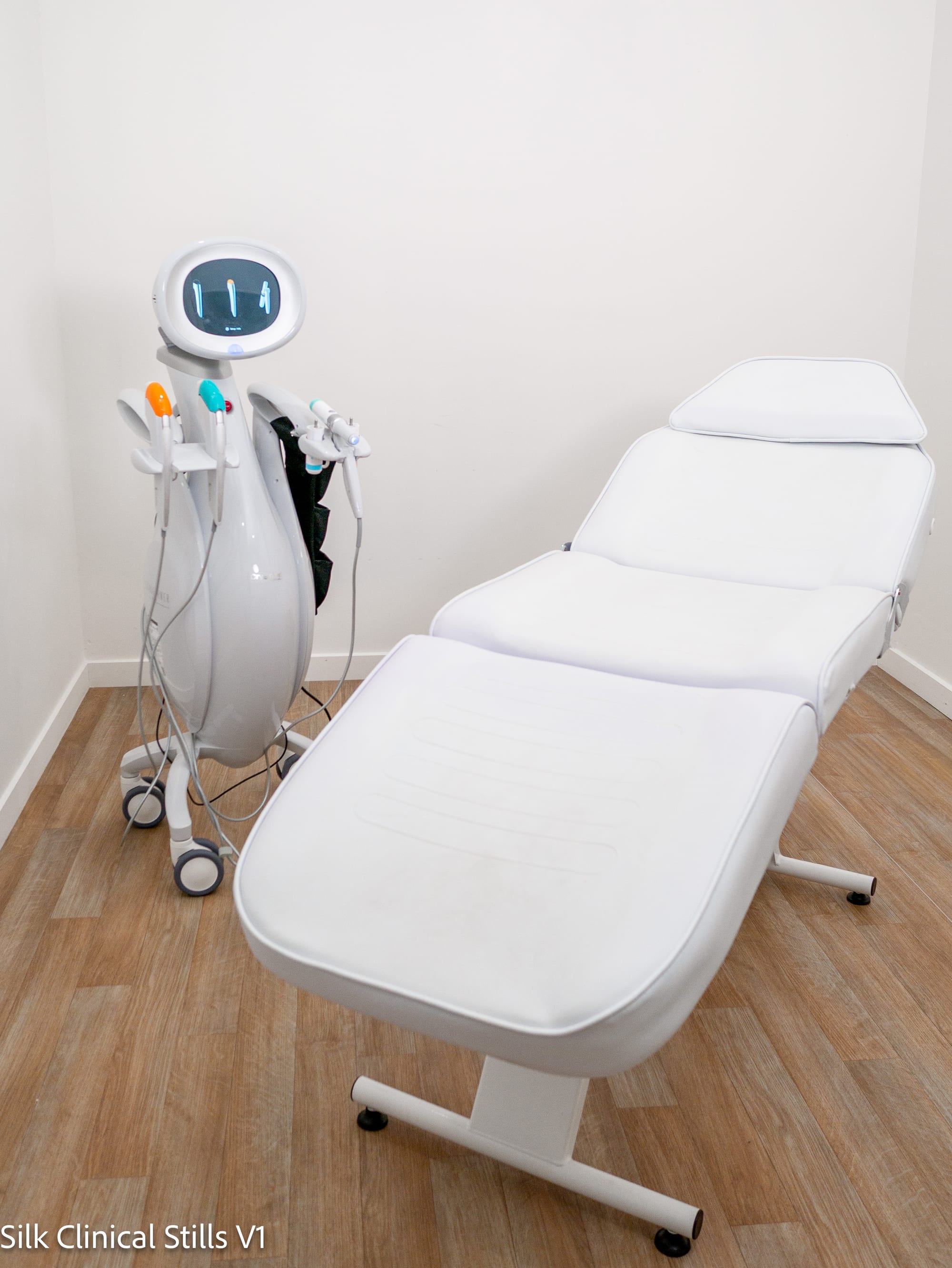
The Ultraformer MPT, which we use at Silk Clinical, is a 4th generation HIFU device with Micro-Pulsed Technology that creates 25 times finer thermal coagulation points than earlier devices. This precision allows us to treat with greater accuracy and improved patient comfort.
What Does a Surgical Facelift Involve?
A surgical facelift, or rhytidectomy, involves making incisions around the ears and hairline, then physically lifting and repositioning the underlying facial tissues. The surgeon tightens the SMAS layer, removes excess skin, and re-drapes the remaining skin for a smoother, more youthful appearance.
Modern surgical techniques have advanced considerably, with options ranging from mini facelifts targeting specific areas to full facelifts addressing the entire lower face and neck. The procedure is performed under general anaesthesia or heavy sedation and typically takes 3 to 5 hours.
Recovery Comparison
This is often the deciding factor for many patients.
HIFU recovery: There is essentially no downtime. Patients may experience mild redness, slight swelling, or tenderness for a few hours to a few days. Most people return to work and social activities the same day or the following day. There are no incisions, no bandages, and no activity restrictions.
Surgical facelift recovery: Recovery is significant. Patients typically need 2 to 4 weeks away from work and social commitments. Swelling and bruising are expected and can take several weeks to fully resolve. Sutures are removed after 1 to 2 weeks, and patients must avoid strenuous activity for 4 to 6 weeks. There is also a period of numbness in the treated areas that can last months. Full healing, including scar maturation, takes 6 to 12 months.
Cost Comparison
The financial difference between these options is substantial.
HIFU treatments with the Ultraformer MPT at Silk Clinical typically range from $1,500 to $4,500, depending on the areas treated and the number of lines delivered. Many patients benefit from annual maintenance sessions.
A surgical facelift in New Zealand generally costs between $15,000 and $35,000, depending on the surgeon, the extent of the procedure, and the facility fees. This typically includes the surgeon's fee, anaesthetist, operating theatre, and post-operative care.
When comparing costs over a decade, a patient who has annual HIFU maintenance may spend a similar total amount to a single surgical procedure, but with the advantage of spreading that cost over many years and avoiding the risks associated with surgery and general anaesthesia.
Results: What Can You Realistically Expect?
This is where honest communication matters most.
HIFU results: Patients can expect moderate lifting and tightening of the treated areas. Results develop gradually over 2 to 6 months as new collagen forms, with peak results typically visible around 3 months. You can expect improvement in jawline definition, mild jowl reduction, brow lifting, and neck tightening. HIFU will not replicate the dramatic transformation of a surgical facelift. If you are expecting the dramatic transformation a surgical facelift produces, HIFU is not the right treatment for you.
Surgical facelift results: Surgery produces the most dramatic and long-lasting facial rejuvenation available. A well-performed facelift can turn back the clock by 7 to 10 years and the results typically last 5 to 10 years. Surgery can address significant skin laxity, deep jowling, prominent neck banding, and excess skin that no non-surgical treatment can adequately correct.
Who is Suitable for Each Option?
HIFU is ideal for patients who:
- Have mild to moderate skin laxity
- Are in their late 30s to early 60s
- Want to prevent or delay the need for surgery
- Cannot afford extended downtime
- Prefer a non-invasive approach with minimal risk
- Want to maintain results from a previous surgical procedure
A surgical facelift may be more appropriate for patients who:
- Have significant skin laxity and deep jowling
- Have prominent neck banding or excess neck skin
- Want the most dramatic possible improvement
- Are willing to accept surgical risks and extended recovery
- Have realistic expectations about surgical outcomes
- Are in good overall health for surgery
The Silk Clinical Approach
At Silk Clinical, I always counsel patients honestly about what HIFU can and cannot achieve. During your consultation, I will assess your skin laxity, discuss your goals, and recommend the most appropriate treatment path. In some cases, that recommendation may include a referral to a trusted plastic surgeon if I believe surgery would better serve your needs.
For patients who are suitable HIFU candidates, the Ultraformer MPT delivers genuinely impressive results. I have treated hundreds of patients and consistently see meaningful improvement in skin tightness, facial contour, and overall skin quality.
We also find that combining HIFU with other treatments, such as Volnewmer RF skin tightening, dermal fillers, or anti-wrinkle injections, can produce results that narrow the gap between non-surgical and surgical outcomes. A well-designed combination treatment plan, tailored to your specific concerns, often delivers the best value and the most natural-looking results.
Frequently Asked Questions
Q: How painful is HIFU compared to a facelift? A: HIFU involves some discomfort during the procedure, often described as a prickling or aching sensation, particularly along the jawline and forehead. However, there is no post-procedure pain to speak of. A surgical facelift involves significant post-operative discomfort managed with prescription pain medication for several days. The overall pain burden of surgery is considerably greater.
Q: How long do HIFU results last? A: HIFU results typically last one to two years, though this varies between patients. Many of our patients at Silk Clinical choose to have annual maintenance treatments to sustain and build upon their results. Each subsequent treatment continues to stimulate new collagen, so consistent patients often see cumulative improvement over the years.
Q: Can I have HIFU if I have had a facelift in the past? A: Yes, HIFU is an excellent option for maintaining the results of a previous surgical facelift. Many post-surgical patients use HIFU to extend the longevity of their surgical results by several years. We recommend waiting at least 6 months after surgery before having HIFU treatment.
Q: At what age should I consider HIFU vs surgery? A: Age alone is not the determining factor. Skin quality, degree of laxity, bone structure, and lifestyle all play a role. That said, patients in their late 30s to early 50s with early signs of laxity are often excellent HIFU candidates. Patients in their 60s and beyond with more advanced changes may benefit more from surgical intervention, though many still achieve worthwhile results with HIFU.
Q: Is HIFU safe? A: HIFU has an excellent safety profile when performed by trained practitioners using quality devices. The Ultraformer MPT is one of the most widely used HIFU devices globally, with extensive clinical evidence supporting its safety and efficacy. At Silk Clinical, all HIFU treatments are performed exclusively by registered nurses with specialist training.
Filed underHIFUfaceliftUltraformer MPTnon-surgical facelift Christchurch