The mistake most patients make with pre-wedding aesthetic planning is leaving things too late. The treatments that produce the most meaningful change in skin quality and structure take months to develop. The treatments that look fresh on the day are usually the ones started long before.
I am Shontelle, the registered nurse at Silk Clinical Aesthetics. This article is a realistic timeline for getting your skin and face into the best version of where they already are, broken down by how far out from the wedding you are.
The Operating Principle
Every treatment in this article is about being a clearer version of yourself, not a different version. We are not aiming for transformation. The goal is for you to look like the version of yourself you would want in photographs you will keep for decades, and to feel confident on the day rather than worried about a recent treatment that has not settled.
That principle has two practical implications. First, do not try a treatment for the first time within two months of the wedding. Second, plan from the wedding date backwards, not forwards from when you decided to start.
12 Months Out: The Foundation Window
If you have a year, you have time to do the work that produces the biggest underlying change.
Skin quality work. A consistent daily skincare routine is more important than any single treatment. The basics: SPF every day, vitamin C in the morning, retinoid at night, gentle cleanser, moisturiser appropriate to your skin type. If you are not already on this kind of routine, the first three months are about establishing it.
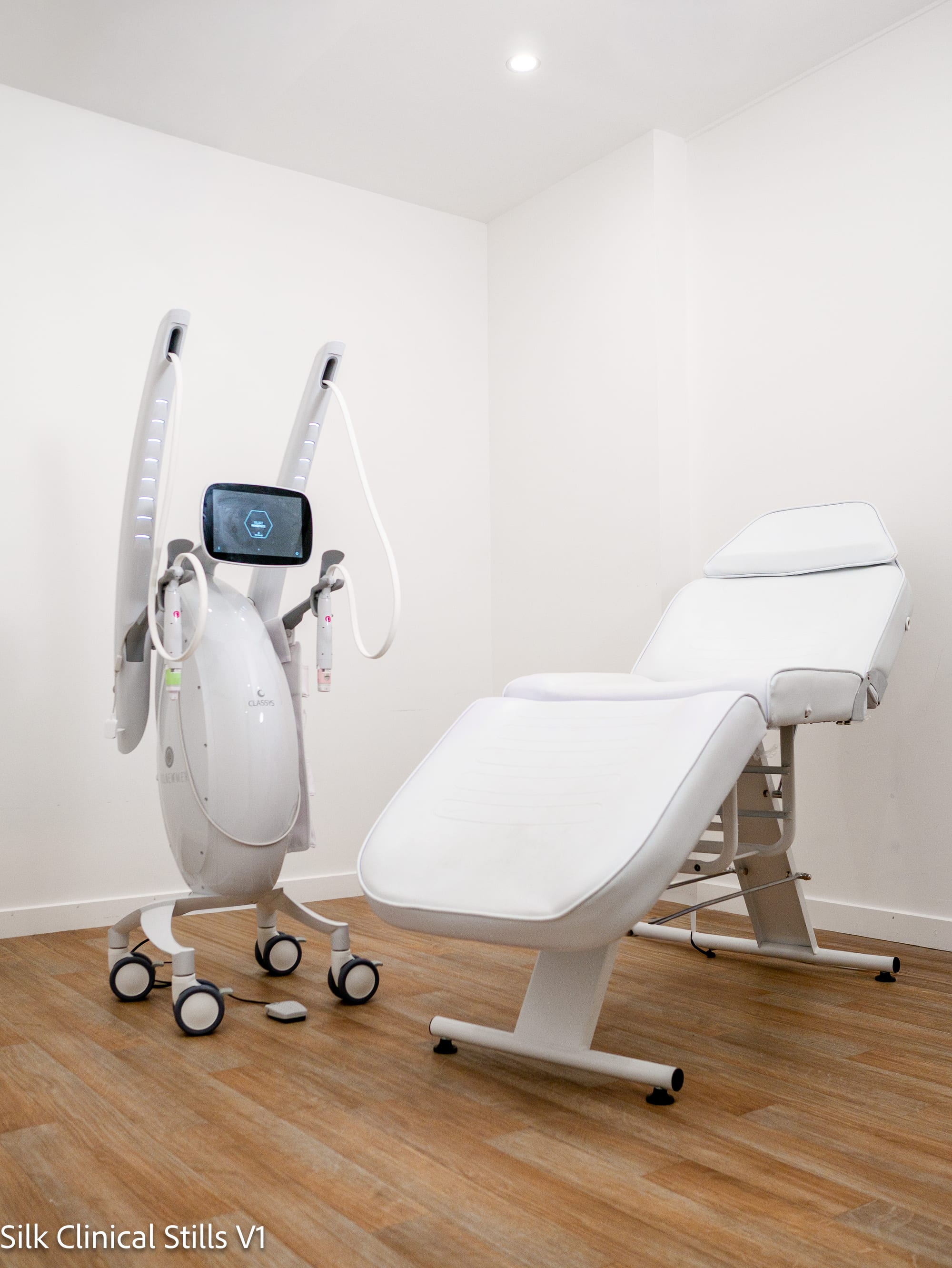
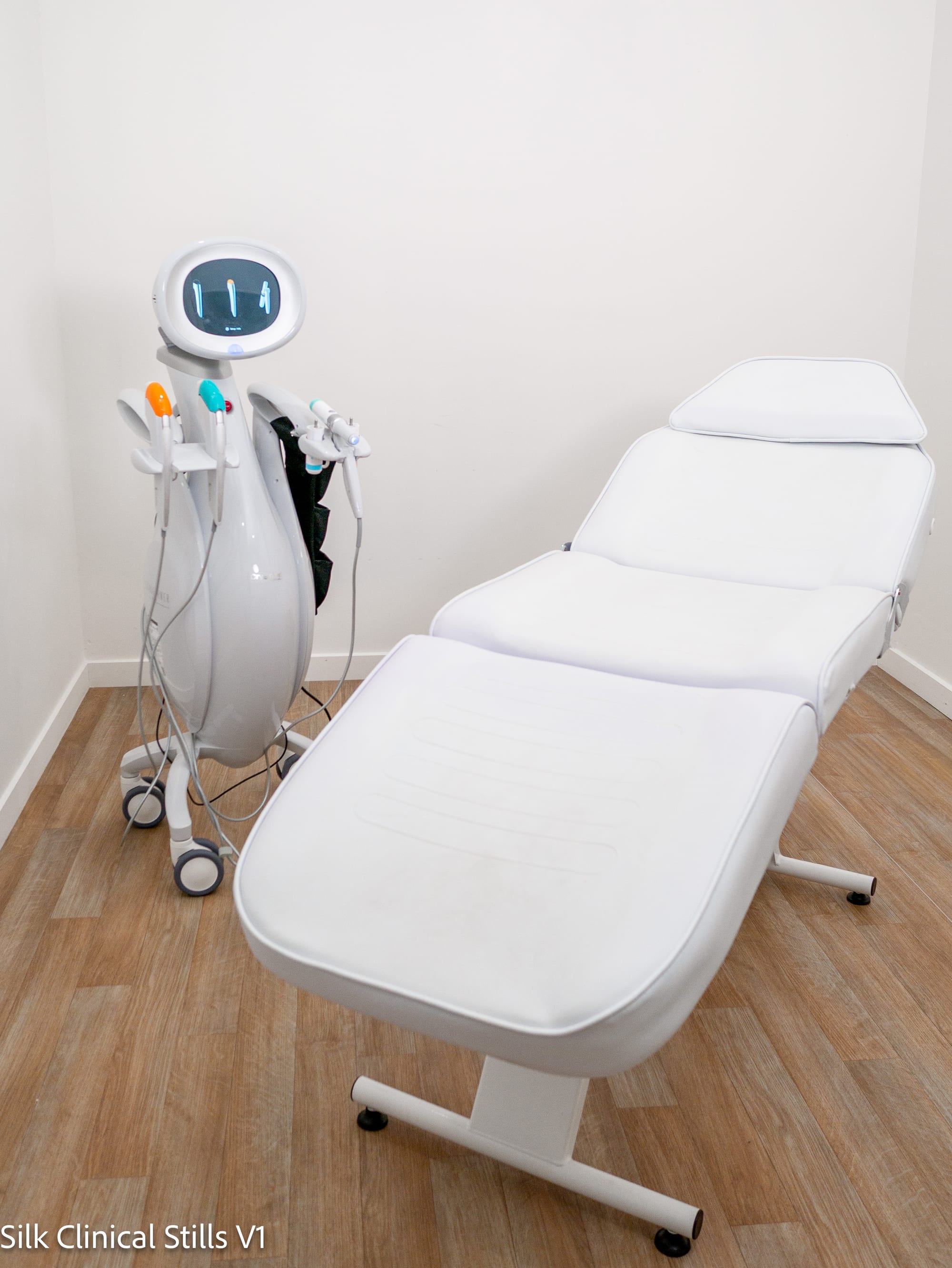
Skin tightening. RF skin tightening (Volnewmer) and HIFU (Ultraformer MPT) produce structural change that builds over three to six months. If overall facial tone, jawline definition, or skin laxity are concerns, starting these at twelve months out gives the result time to fully develop. For broader detail, see Non-Surgical Skin Tightening: A Complete Christchurch Guide.
Skin boosters. Profhilo, Sunekos, and polynucleotide protocols typically run as a course of two to four sessions over six to eight weeks, with maintenance every four to six months. Starting at twelve months allows the initial course to deliver, settle, and be assessed before any maintenance is added. For more on the products, see Skin Boosters Explained: Sunekos, Profhilo, and Polynucleotides.
Pigmentation work. Melasma, post-inflammatory pigmentation, and sun damage take months to resolve with topical and in-clinic work. The earlier this is addressed, the better. Topical agents, peels, and consistent SPF together produce meaningful change over six to twelve months.
Body work. If areas of body skin laxity, body skin tone, or specific concerns are part of the plan, twelve months gives time for body skin tightening protocols, body skin boosters, and any structured fitness or nutrition work.
6 Months Out: The Structural Window
Six months is enough time for most structural and quality work to deliver.
Filler. If you are considering filler for the cheeks, midface, lips, or other areas, six months out is a sensible time to start. The first treatment can be assessed at two weeks, refined if needed, and fully settled and natural by the wedding. Lip filler in particular benefits from being well past the swelling and adjustment phase before the day.
A full anti-wrinkle treatment plan. If you have been considering anti-wrinkle injections and have not yet started, six months allows for one to two treatments to establish your individual response and dosing. The treatment closest to the wedding should be roughly two to three weeks before the day.
Skin tightening continued. If you started Volnewmer or Ultraformer MPT at twelve months out, six months is the point to assess whether a maintenance session before the wedding is appropriate. If not, the result you have continues to build through to the day.
Continued skin boosters. A second course or maintenance session at six months keeps the skin quality work progressing.
Specific concerns surfaced now. If something has appeared or worsened recently (a stubborn area of pigmentation, a new fine line, jawline laxity), six months is still enough time to address it. Past this point, the timeline tightens significantly.
3 Months Out: The Refinement Window
Three months is when planning becomes precise rather than exploratory.
Refinement filler. If your filler from six months out needs a small adjustment, three months out is a reasonable point. New filler treatment in a previously untreated area is best avoided this close to the wedding because the recovery and any unforeseen response can take weeks to fully resolve.
Anti-wrinkle. A treatment at twelve weeks (around three months) before the wedding is reasonable, allowing for one more treatment closer to the day. We sequence the schedule based on how your body responds to the treatment and how long your individual result lasts.
Targeted skin treatments. Peels, microdermabrasion, and similar surface treatments can be planned in a series leading up to the day, with the last session typically two to three weeks before the wedding to allow for any reaction or downtime.
Lash and brow work. Brow shaping, lash lifts, and similar refinements are usually planned around three months out and refreshed closer to the day.
Hair colour and cut planning. Outside our scope, but worth mentioning. Most stylists recommend the final cut and colour two to three weeks before the day, not the week of, for similar reasons.
1 Month Out: The Settling Window
A month out is when you should be tapering active treatment, not adding new ones.
Maintenance only. Treatments at this point should be ones you have done before and know how your skin responds. This is not the time to try a new procedure.
A final anti-wrinkle treatment, if appropriate. Two to three weeks before the wedding is the standard timing. This allows the treatment to fully take effect and gives a buffer for any minor adjustment.
Last possible filler. If a small filler adjustment is genuinely needed, four weeks out is the latest reasonable window. Closer than that, the risk of unresolved swelling or bruising on the day is too high.
Skin treatments to avoid in this window. First-time peels, first-time skin boosters, first-time energy-based treatments, lifting threads, and any new injectable area. The downside risk in this window is higher than the upside.
Continued daily skincare. Stay consistent. The temptation to add new actives in the final weeks should be resisted. New products can produce reactions, and the time to test a product is months before the wedding, not weeks.
2 Weeks Out
Two weeks out is the threshold below which most aesthetic treatment should be paused.
No new treatments unless they are routine and previously done. Routine maintenance with established products and known response is fine. Anything new is not.
Hydration, sleep, and stress management become more important than aesthetic treatments. Skin appearance in this window is more responsive to lifestyle factors than to anything we can deliver in clinic.
Avoid significant changes in skincare. Ride the routine you have. Do not introduce new actives.
Consider a brightening or hydrating facial. Surface treatments that produce immediate freshness without significant downtime are appropriate in this window. Examples include gentle hydrating facials and microdermabrasion in patients who tolerate it well.
The Week Of
No injectables. Even routine maintenance is best avoided in the final week. The small risk of bruising or unexpected response is not worth the cost of a visible issue on the day.
No new skincare. Stick to your routine.
No experimental anything. This is not the week to try a new mask, a new product, or a new treatment.
Sleep and hydration. These do more for how you look on the day than almost any treatment we could provide in this window.
A relaxed brightening or hydrating facial earlier in the week, if you have one you have done before. Two to four days before the wedding is a reasonable window for a routine facial that you know your skin tolerates.
What Brides Often Want That We Decline Close to the Day
A few things we will say no to in the weeks before a wedding, even when they are requested.
First-time injectables in the final two weeks. The risk of bruising, asymmetry, or unexpected response is too high.
First-time peels or treatments with downtime in the final two weeks. The recovery overlaps with the day.
Significant filler adjustments in the final two weeks. Even small adjustments can produce two weeks of settling, which puts the day at risk.
Aggressive anti-wrinkle dosing in the final week. Even routine treatment can produce minor effects on facial expression that we do not want surprising you on the day.
For broader detail on what we decline and why, see What We Will Not Treat: When Silk Says No.
How Silk Approaches Wedding Planning
Booking a consultation 12 to 18 months before the wedding is a sensible starting point. We can assess what you are working with, discuss what is realistic, and build a plan back from the wedding date.
Most pre-wedding plans involve a combination of skin quality work, conservative injectables (if appropriate), and timing. The most successful brides we work with start early, do not over-treat, and arrive on the day looking like a refined version of themselves rather than a different person.
If your wedding is closer than ideal, we can still help. The plan just becomes more conservative. The closer the date, the more we lean toward maintenance over change.
Frequently Asked Questions
What if my wedding is in three months and I have not started anything yet?
You can still do meaningful work. The plan tightens, but a single anti-wrinkle treatment, conservative filler, a course of skin boosters, and consistent daily skincare can all deliver in this window. The treatments that build over six to twelve months are off the table at this point, but plenty remains.
Should I get my partner to consider treatment as well?
Some patients book together. We are happy to consult with both partners. The same principles apply: nothing experimental close to the day, foundational work earlier rather than later.
Can I have a treatment the day before the wedding?
We do not recommend it. The cost of an unexpected reaction or visible bruise is too high. Treatments the day before should be limited to non-invasive surface work that you have had before and know your skin tolerates.
What about the morning of?
A light hydrating facial or routine treatment first thing in the morning can be appropriate if you have done it before. We do not recommend any aesthetic treatment on the morning of the wedding that involves needles, peels, or anything with downtime.
How much should I budget for a pre-wedding aesthetic plan?
The range is wide. A minimal plan focused on skincare and one or two treatments can be a few hundred dollars. A comprehensive 12-month plan involving injectables, skin tightening, and skin boosters can run into several thousand. We discuss your budget honestly in consultation and recommend a plan that fits.
Can I do similar planning for other events?
Yes. The principles apply to any significant event with a fixed date. The timeline scales: six months for a major event, three months for a smaller event, two to three weeks for routine occasions like a holiday or photoshoot.
Filed underpre-wedding skincarewedding aesthetic timelinebridal skin prepcosmetic injectables Christchurch