A Canterbury summer is harder on skin than most patients realise. The combination of strong UV at our latitude, dry hot wind across the plains, ozone hole exposure that affects southern New Zealand more than the north, and the kind of outdoor lifestyle that makes life here worth living, all add up to more skin change in a single summer than many patients expect.
I am Shontelle, the registered nurse at Silk Clinical Aesthetics. This article walks through what summer actually does to your skin, what you might be noticing in the autumn, and what is worth treating once the season is over.
What a Canterbury Summer Does to Skin
Three changes are common in patients who arrive at the clinic in late summer or autumn.
New or darker pigmentation. Sun exposure stimulates melanocytes, the pigment-producing cells in the skin. Existing freckles darken. New flat brown patches appear, particularly on the cheeks, forehead, upper lip, and decolletage. Patients with melasma find it worse at the end of summer than the start.
Increased visible vascularity. UV exposure damages the small blood vessels in the skin. Patients often notice new visible capillaries, broken vessels around the nose and cheeks, or a general flushed quality that was not there in spring.
Texture and tone changes. Dehydration, oxidative damage, and accumulated UV exposure produce skin that is rougher, less elastic, and more lined. Sun-related fine lines often appear on the cheeks, around the eyes, and across the upper lip.
Cumulative collagen damage. Less visible immediately, but the most consequential of all. UV exposure accelerates the breakdown of dermal collagen. The signs of this appear over years, but each summer adds to the cumulative load.
Why Canterbury is Different
Three factors make Canterbury skin exposure different from many other parts of New Zealand.
Latitude. Canterbury sits between roughly 42 and 44 degrees south. The angle of summer sun produces high UV index readings, often higher than equivalent cities in the northern hemisphere at similar latitudes.
Ozone depletion. The southern hemisphere ozone layer is thinner over New Zealand than over comparable latitudes elsewhere. This means more UVB reaches the surface than the latitude alone would suggest.
Outdoor lifestyle. Canterbury living involves more outdoor time, on average, than equivalent latitudes in many other countries. Beaches, alpine recreation, gardens, sports, and the longer summer evenings all add up.
Wind exposure. The Canterbury norwester and similar dry winds accelerate dehydration of skin already stressed by UV. The combination is harsher than UV alone.
The practical implication is that patients in Christchurch who use the same amount of SPF and the same level of sun caution as people in equivalent cities in the northern hemisphere may still arrive at the end of summer with more pigmentation and more vascularity than they expect. The exposure is genuinely different.
What to Treat in the Autumn
The cooler months following summer are the right window for treatments that respond to sun damage. The reasons are practical: most pigmentation and vascular treatments work best when the skin is not actively being exposed to UV, and the months immediately after treatment benefit from reduced sun exposure during the recovery and remodelling phase.
The treatments that pair particularly well with the post-summer window:
Pigmentation Treatments
Topical pigmentation regimens. Tyrosinase inhibitors, retinoids, and antioxidant combinations work best when the skin is not adding new pigment from active UV exposure. Starting a structured topical pigmentation programme in March or April allows three to six months of work before the next strong UV season.
Skin peels. Targeted chemical peels for pigmentation are appropriate in the cooler months. Most peel protocols recommend reduced sun exposure for several weeks after treatment, which is easier to achieve in autumn and winter than in summer.
Some energy-based treatments. Specific wavelengths of light and laser energy address pigmentation effectively. The clinical position is that these are best used when the skin is not heavily tanned, which is typically autumn through early spring.
Vascular Treatments
Visible capillaries and broken vessels respond to specific energy-based treatments designed for vascular work. As with pigmentation, the cooler months are clinically preferred because of the reduced sun exposure window and the lower likelihood of post-inflammatory pigmentation in less exposed skin.
Skin Quality Restoration
Skin boosters. Profhilo, Sunekos, and polynucleotides all address the dehydration, dullness, and surface quality changes that summer produces. Starting a course in the autumn allows the protocol to run through winter, with the result fully developed by spring. For more, see Skin Boosters Explained: Sunekos, Profhilo, and Polynucleotides.
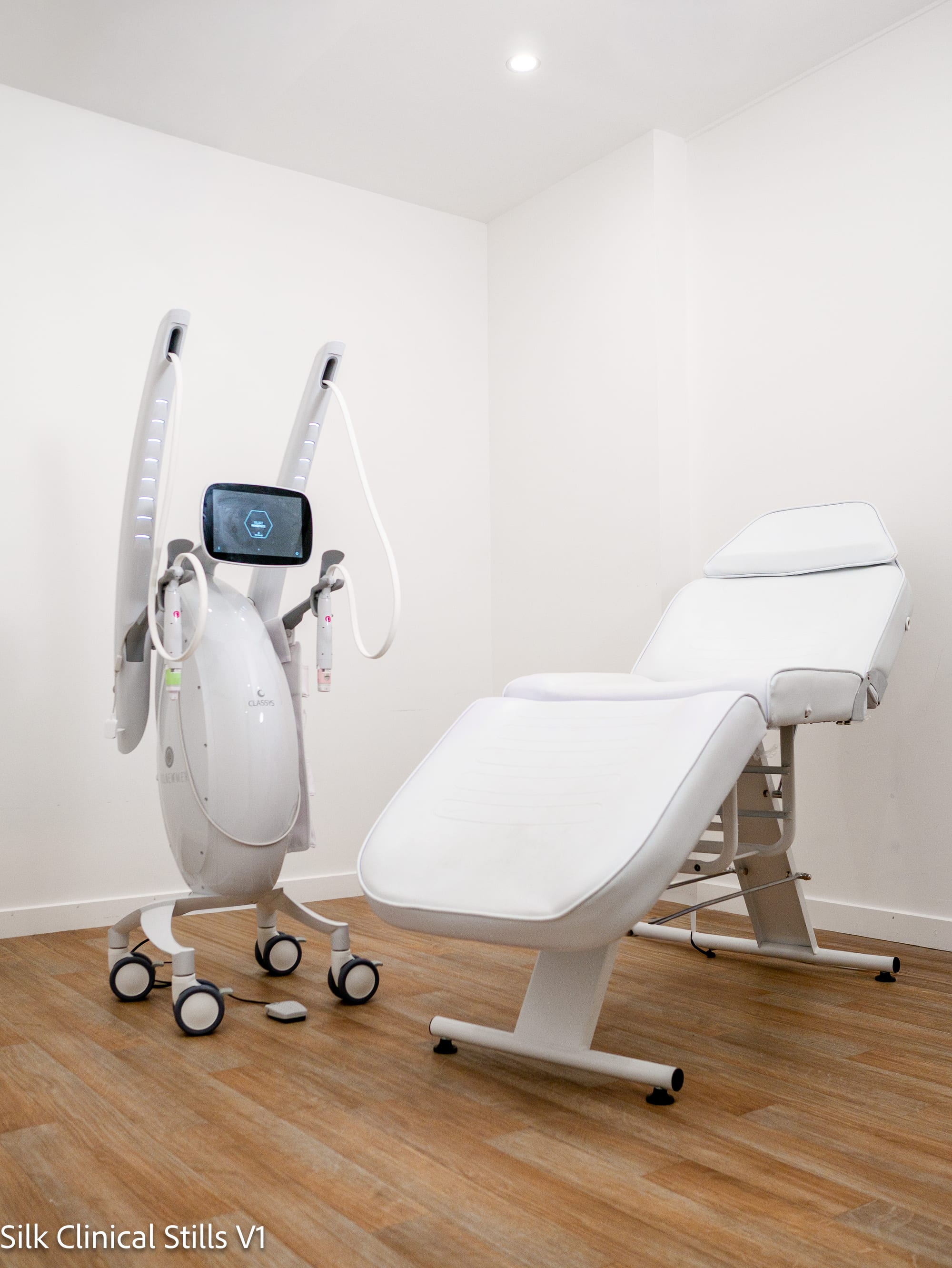
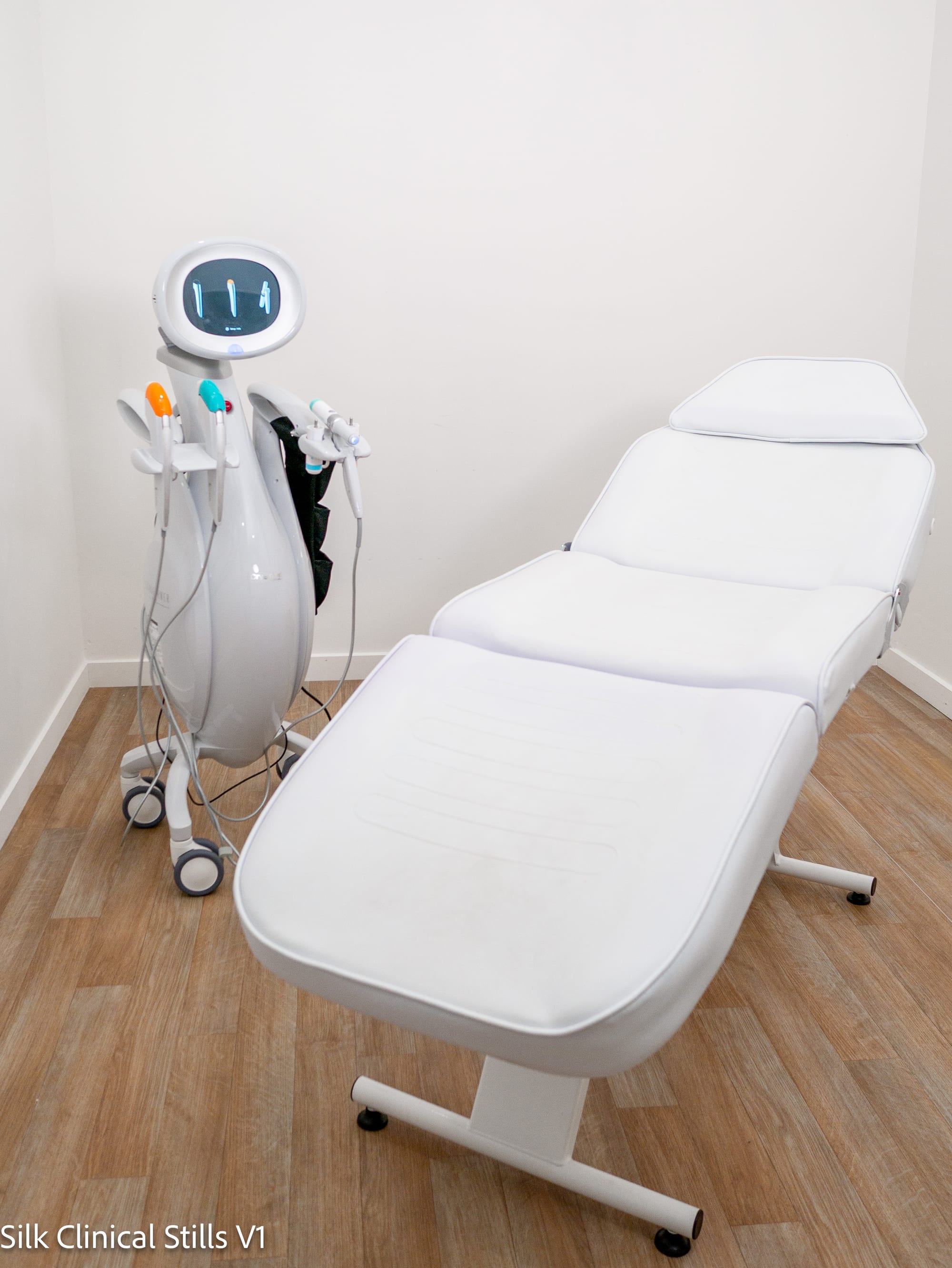
Skin tightening. Volnewmer and Ultraformer MPT address the laxity changes that build over years of sun exposure. The cooler months are an appropriate window for starting a course, particularly if you have been considering it.
For more on skin tightening, see Non-Surgical Skin Tightening: A Complete Christchurch Guide.
Topical Reset
Retinoid restart or upgrade. Many patients pause or reduce retinoid use during summer because of UV sensitivity. Autumn is the right time to restart, escalate strength if appropriate, and allow the active to do its work through the cooler months.
Vitamin C, antioxidants, and barrier repair. A consistent regimen with these actives during autumn and winter sets up the skin for the next summer with stronger inherent protection.
What Not To Treat in the Autumn
A few caveats. Not every treatment is improved by being in the cooler months.
Anti-wrinkle injections are not seasonal. Treat when the result aligns with your plans, not based on UV.
Filler is also not seasonal in any clinical sense. Filler does not interact with UV in a way that changes the timing of treatment.
Acne treatment is timed by the active inflammation, not the season.
The seasonal timing matters most for treatments that interact with pigmentation, vascularity, or recent UV exposure. For most other aesthetic work, season is not a primary consideration.
What to Do During Summer to Reduce the Damage
Treating sun damage in autumn is meaningful, but preventing it is better. The summer-specific work that actually moves the needle:
SPF 50, daily, on every exposed area. Not just face. Decolletage, neck, hands, and forearms. Reapply every two hours during outdoor exposure.
A hat, particularly mid-day. Hats produce more sun reduction on the face than any other intervention. Brim wider than 8 cm makes a real difference.
Sunglasses. Reduce squinting, reduce direct UV to the periorbital skin, reduce the formation of crow's feet over years.
Time of day awareness. Canterbury UV peaks between roughly 11am and 3pm in summer. The same outdoor activity at 9am or 5pm delivers a fraction of the UV dose.
Antioxidant skincare. Vitamin C in the morning provides additional protection alongside SPF. Not a replacement for SPF; a supplement to it.
How Silk Approaches Post-Summer Treatment Planning
Patients arriving in March, April, or May with post-summer concerns are common. Our usual approach:
- A full assessment of what has changed: pigmentation, vascularity, skin quality, and any other concerns.
- A discussion of which treatments are appropriate for the cooler months versus which can wait.
- A plan that uses the autumn and winter window for treatments that benefit from reduced UV exposure.
- An update to your daily skincare routine appropriate for the season.
For patients who want to address sun damage seriously, we often plan a longer programme that runs from autumn through early spring, with the goal of having significantly improved skin by the time the next summer begins.
For broader pricing, see the pricing page.
Frequently Asked Questions
When is the best time to treat pigmentation in Christchurch?
April through September is the safer window for pigmentation treatments. The reduced UV exposure during recovery makes the treatment more effective and reduces the risk of post-inflammatory pigmentation. Starting in March or April gives a full six-month window for layered topical and in-clinic work.
Will my pigmentation come back next summer?
Some recurrence is normal in patients with melasma or strong pigmentation tendencies. Maintenance through summer with strict SPF and topical agents reduces the rebound. We discuss expected recurrence honestly during consultation, and we plan annual maintenance for patients prone to it.
Are pigmentation treatments safe on tanned skin?
Some are, some are not. Energy-based treatments in particular can be less effective and carry higher risk on tanned skin. We assess the skin at consultation and recommend treatments that are appropriate for your current state. Some patients are advised to wait until the tan has faded before specific treatments.
Can I have skin tightening treatment in summer?
Yes. RF skin tightening (Volnewmer) and HIFU (Ultraformer MPT) are not contraindicated by sun exposure in the same way that pigmentation treatments are. We sometimes treat through summer with sensible aftercare. The cooler months are still slightly preferred for comfort.
Will daily SPF in winter make a difference?
Yes, but less than in summer. Winter UV in Canterbury is significantly lower than summer UV but is not zero, particularly on bright days at altitude. Maintaining a daily SPF habit year-round produces better outcomes than seasonal use.
What is the most important single change I can make?
A daily SPF habit, applied to every exposed area, is the single most evidence-based intervention for skin ageing. It outranks every aesthetic treatment we offer. The patients with the most resilient long-term skin in our practice are the ones who established this habit decades earlier.
Filed undersun damage ChristchurchCanterbury skinpost-summer treatmentsskincare